Corps Of Engineers

A view from external and internal.
The U.S. Army Corps of Engineers (USACE) has a distinguished history of engineering excellence but faces significant internal challenges that threaten its effectiveness in military (and civil works) construction. Below are some of the most common administrative issues as seen by the contractors side that you may find in the field.
Key Issues
Internal Sabotage (Staffing Quality and Practices)
Capacity Decline (personnel and mental)
Contractor Distraction and Oversight Weakness
Recommendation
CONTRACTOR: Addressing issues takes steel and strong conviction as many will look to deflect or dismiss so discuss internationally and determine a way forward when you find professional issues with USACE personnel.
USACE: Addressing these requires refocusing on merit-based hiring, rigorous training, decisive corrective actions for performance gaps, and disciplined contract enforcement to restore USACE's capacity and mission effectiveness.
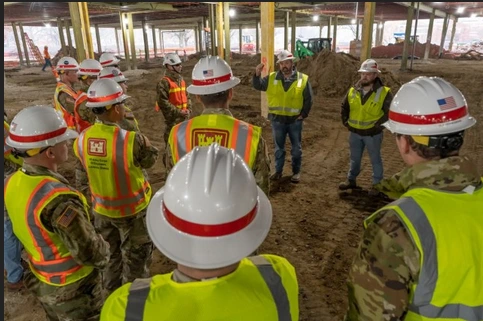
Internal Sabotage
(Staffing Quality and
Practices)
Over the past 20–30 years, hiring practices emphasizing diversity, equity, and inclusion (DEI) have prioritized demographic factors over technical competence and contract knowledge. This has resulted in under-qualified Contracting Officer's Representatives (CORs), Quality Assurance Representatives (QARs), and Project Engineers (PEs), both CONUS and OCONUS. Observed problems include:
- Difficulty comprehending contract requirements (witnessed)
- Arrogance, intolerance, or inability to enforce standards (witnessed)
- Use of foreign nationals with conflicts of interest (prior associations, education, or family ties unknown / hidden from USACE) replacing U.S.-trained personnel. (witnessed)

Capacity Decline
USACE struggles with declining workforce capability due to:
- Retirement of qualified / experienced staff
- Placement of personnel lacking core skills (e.g., reading and applying contracts) in key roles
- Personnel lacking capacity to identify and address contractor shortfalls in contract compliance and quality control (QC) manpower abilities (witnessed)
- Reliance on promotion rather than internal corrective action (retraining or removal) of under-performing staff, (especially overseas OCONUS) (witnessed)
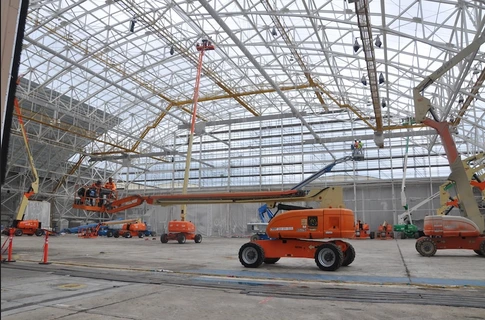
Contractor Distraction
and Oversight
Weakness
When contractors present numerous issues, failings, or missed / ignored requirements, USACE personnel often become overwhelmed and retreat rather than stepping back to:
- Analyze and prioritize problems
- Enforce full contract terms
- Hold
contractors accountable
A. This reactive approach misses the core issues for the contractor. Both sides can not or do not regain control, prolonging issues which leads to poor CPARS EVALS which damage the contractor in the long-run. Often blamed on the QCM so beware. (witnessed)
B. Effective oversight requires applying the entire contract consistently, a practice seen as lacking except among the most experienced teams. The three required personnel must honestly work together not separately.